Connected community spaces

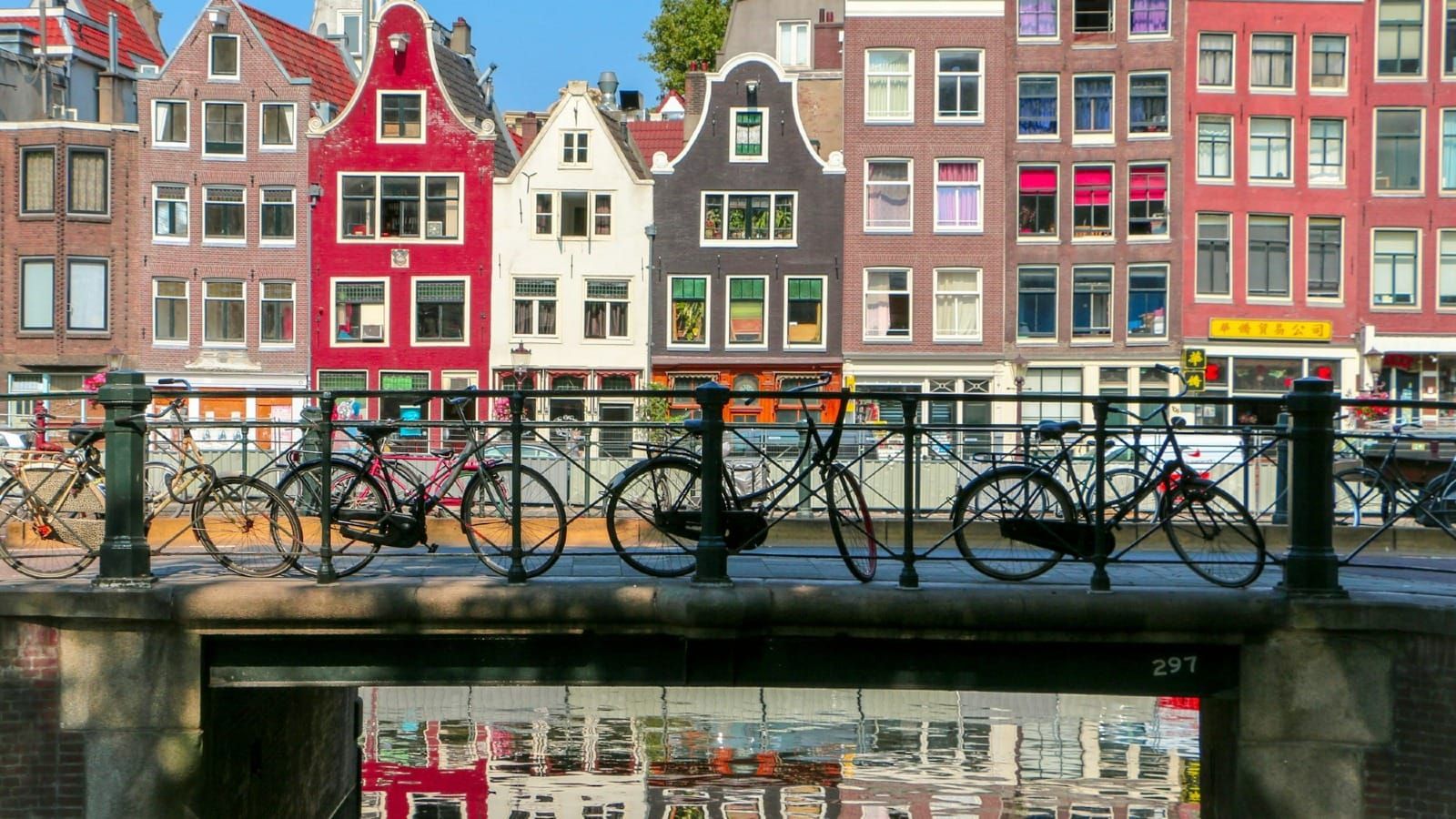
This week the Newsmast team is heading to Amsterdam for Public Spaces, where the theme is Technology for Democracy. Here are three talking points - and one call to action - for the conference, the Open Social Awards, and all the conversations in between.
We're stuck. Let's change the rules of the game.
The social web isn't growing. The people building it mostly aren’t working together. And almost no one outside the space is paying attention.
In trying to build a better Twitter and replicate other social media formats, we've ended up stuck with a nerdy, hard-to-use decentralised network, Mastodon and the Fediverse, and a left-leaning, centralised-decentralised ecosystem, Bluesky and the Atmosphere. Populated by two camps of solo developers, who regularly snipe at one another. Neither is growing, and both have governance problems. As Laurens Hof puts it:
"the fediverse has subsidiarity without solidarity, all autonomy and no way to govern the commons, and the atmosphere has solidarity without subsidiarity, a commons that almost no one shares responsibility for" (Connected Places - The Pope on Defederation).
Pirates, by definition, struggle to work together. Anarchist and libertarian instincts run deep through technology and the people who build it, with open source and vibe coding both celebrating the lone hacker-hobbyist. The irony is that all this fragmentation opens the way for oligarch tech barons to take over. Communities work the other way. They're built on cooperation and collective governance. As Laurens and Erin Kissane argue, for alternative social spaces, culture, governance and collective responsibility now matter more than tweaks in technology.
Communities don't care about protocols or open source. No organisation ever thought, let's strengthen our community, we'll spin up a Mastodon server. No one in a non-profit says, let's make connections, there's a cool Atmosphere tool for that. We need to stop trying to force solutions on people, and dial down our technological evangelism. Our new mantra needs to be: don't mention the Fediverse. Don't talk about the Atmosphere. Stop talking, and start listening. Begin with a community platform built on the open social web, then build out from there.
It's time for a fresh start.
It's a big world. Dream big.
"We can have a different web, if we want it." — Molly White, Citation Needed
We've stepped outside the walled gardens, but we're still building in their shadow, hugging the walls. Now's the time to find new paths and patches, connections and conversations, openings and adventures. Recapturing the joy of the web. A world of connected community spaces, built across the Global South and Europe, is an extraordinary, powerful, and radical vision. Archipelagos of knowledge. Murmurations of content. Spiralling galaxies of communities.

The web began with connections. Then it outsourced search to Google, and social to Meta, X and TikTok. We have a chance to start again and do something different. The work begins with that overused but still powerful word: community.
There's a world of organisations, communities and inspiring people out there, and they all depend on platforms that don't share their values. They're wrestling with Big Tech dominance, funding gaps, and the disruption of AI. Everyone wants to move on from Big Social. But wanting to leave isn't the same as being able to leap straight to decentralised technology.
So we need to start with tools that work for communities: safe hubs, local groups, news and content, calendars and events. Showcases for what a community makes and knows. Communities need their own platforms, with their own rules, to build their own safe spaces. And that's just the beginning.
Connecting these spaces adds a new dimension: social networking. We need to give communities strong reasons to connect to peers, allies and outside voices, demonstrating everything a social network offers versus traditional social media. Our current pitches are designed for developers: be a self-hosting pirate on the Fediverse, or skip the cold-start problem on the Atmosphere. Organisations need different messaging:
- Connect to digital archipelagos of peers and like-minded people.
- Use curated feeds to join the global conversations that matter most to your community.
- Explore content and conversations unique to each community member, because we're not all one person, we're many.
Together, we can build a different web, with new communities and new connections.
Find energy in the new and the old. Build in the Global South and Europe.
The upcoming technology and AI battle is all about the US and China. We should walk away from this.
Grounding ourselves in other parts of the world will help us engage meaningfully with the liquefaction of software, knowledge, content and work which is heading our way. These are fertile territories, full of people actively looking for alternatives to Big Tech. When Newsmast talks to scientists in Germany or Africa, or museum professionals in Brazil, the consensus is striking: people want safe communities outside oligarchal Big Tech. The Global South has the numbers and the potential, as does Europe. Both are fragmented and complicated, which plays to our strengths. And both regions are producing innovative social alternatives. We can help build communities and make connections.
In the Global South, community technology is already happening, in grassroots initiatives and at scale. Good Commons case studies show how people are mixing technology and collective action:
- JamiiAfrica started in Tanzania as a digital message board for anonymously sharing governance issues, corruption concerns and local problems. It's now exanded into digital democracy, literacy and inclusion.
- Mutante, a radical publisher in Colombia, reimagines journalism as a participatory process. Its north star isn't the articles it publishes, but the quality of insightful engagement they spark.
- Magamba Network gives rural and marginalised communities in Zimbabwe portable, offline kiosks for uploading and accessing video, audio, text and tools, with no mobile data required.
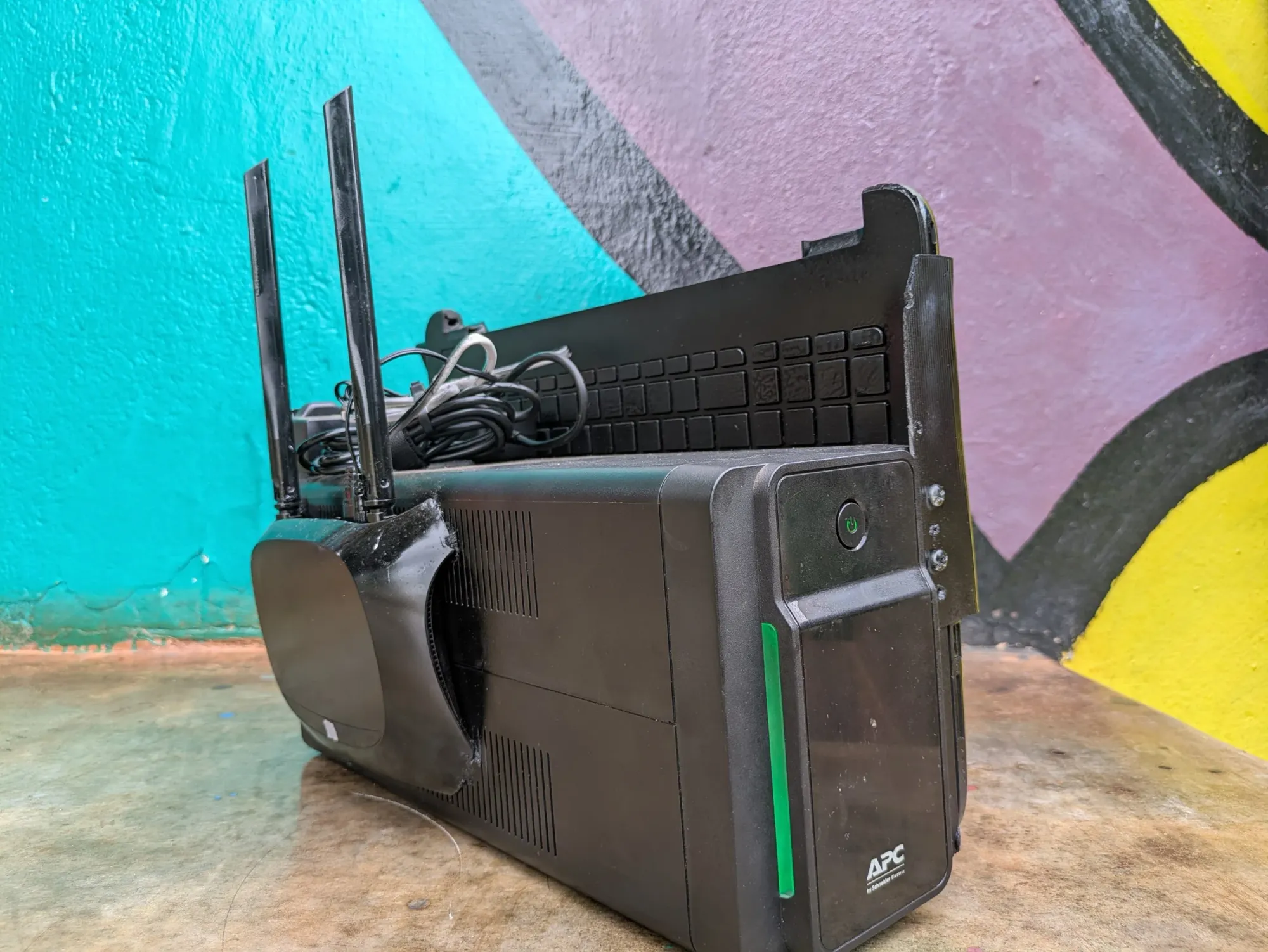
In Europe, the Rebuild initiative has mapped more than 200 social platforms. It's a great starting point. Many are tightly focused on unique needs. Almost all share our values. But while most are being built as silos, only a handful fit Rebuild's incubator model.
There’s a great opportunity for us here: offering easy ways to bring social content and conversations into these spaces. We need to go beyond nudging institutions from X to Bluesky, or suggesting libraries and municipalities spin up a Mastodon server. Instead, we should build use cases around what organisations actually need, run pilots to test what works, scale across multiple sites, and encourage transnational donors to spread funding across many local initiatives rather than a few big bets.
By building replicable solutions from local pilots, we have a powerful message to take to funders, scaling up community initiatives across Europe and the Global South.
Start with communities. Make connections. Scale up to social networks. See where fresh starts and big dreams can take us.
Three talking points. One call to action:
Let's make connected community spaces our mission for the next year.
To onboard organisations and communities, we have to work together, within the Fediverse, inside the Atmosphere, across both, and alongside other open source technologies. There are already inspirational initiatives underway, including Acorn from Blacksky, Bandwagon from Emissary, Mosaic from Bonfire, and Roundabout from New_ Public. We're all passionate about what we're doing, but that can leave us isolated. We'll be stronger as a movement.
Second, the European Social Stack is a powerful proposition, and we need to make it real. Matrix for family and friends, the Fediverse for interconnected communities, the Atmosphere for large-scale social media. Complementary technologies, built on shared principles. It’s a great opening for conversations with European policymakers and funders. Leading projects in our space are launching a declaration backing the European Social Stack on Friday at PublicSpaces, with Eurosky, Mastodon, the Social Web Foundation and A New Social among the founding signatories. The next step is to make it work, through joint initiatives, lobbying and funding bids.
Last, but not least, we have a lot to learn. To turn connected community spaces into reality, we have to get out of the bubble of tech-led, open source events and into the wider community of changemakers. Working with new organisations will bring new energy and new technologies. We need to learn how best to reach and onboard organisations around the world, especially in the Global South and Europe; how to help them build and strengthen their communities; and how to make meaningful connections within a commons where responsibility is both delegated and shared. A social network built, in Laurens' terms, on subsidiarity and solidarity.
Community building is hard. Connected community building is harder. We need to learn how to do it, and how to make it work.
So in the coming year, let's come together to onboard organisations and communities to the open social web, and widen this movement beyond developers and early adopters. For the technologists: make this a +1 alongside your building. For anyone close to policy: let's talk. For the handful of marketers and evangelists: let's band together. For the content makers: let's find new ways to reach your audience. And for the community builders: we need your help.
We need to work together, draw fresh energy from outside the space, stay humble, listen and learn.